Showing posts with label Hurricane Season. Show all posts

Tuesday, December 29, 2020

My Red Cross Story: Miss Virginia 2020, Katelyn Page

Katelyn Page, Miss Virginia 2020
Written by: Clarice Nassif Ransom, Communications Volunteer

Volunteer: Katelyn O. Page, Miss Virginia 2020
Resides: Prince William County, Virginia
Years of volunteer service: Ongoing since the age of 16

Highlights of American Red Cross Volunteer Work: 

  • Ongoing blood donor; hosted an American Red Cross blood drive as Miss Virginia 2020
  • Deployed as a Shelter Associate during Hurricane Laura
  • Deployed as a Disaster Cycle Services Caseworker for Hurricane Laura recovery
  • Served as the American Red Cross Ambassador and Miss Virginia 2020 at the Annual Charity Golf Classic Fundraiser at the Robert Trent Jones Golf 
  • Served as a volunteer at U.S. Capitol in Washington, D.C., for Justice Ruth Bader Ginsburg’s Lying in State

_________________________________________________________________________

"My best advice is that you will never have enough time to do everything on your plate. However, if it is important to you, you will make time. 


Volunteering is everything, and you always get back more than you give."

_________________________________________________________________________

Meet Katelyn O. Page, Miss Virginia 2020, and an avid American Red Cross volunteer. Katelyn began her journey volunteering with the American Red Cross when she was 16-years old.

“I have donated with the American Red Cross since I was just 16-years old through blood donations,” said Katelyn. 

“Once I knew the impact that my O- blood type could make for others, I knew that I had to continue donating and encouraging others to join me.”

Kaitlyn is a regular O- blood donor. Only 7% of the population have O- blood.
Due to the versatility for transfusions, it is in high demand, but one of the rarest
 blood type's and  first supply to run out during a shortage.


Through donating blood, Katelyn feels she has helped save lives.

“Per the American Red Cross, just one blood donation can save up to three lives,” said Katelyn. 

“Something beautiful is that the American Red Cross has let me know some of the hospitals where my blood has gone to. That is the most tangible way that I know I have helped save a life.”

Katelyn continues helping others in need by volunteering wherever disasters occur. 

“The American Red Cross goes where the need is, during times of both calm and disaster,” said Katelyn.

“The American Red Cross ensures that various aspects of public health and disaster are addressed.”

When the COVID-19 pandemic struck, Katelyn rolled-up her sleeves and became a more active American Red Cross volunteer.

“At the beginning of the COVID-19 pandemic, I knew that I had to support the American Red Cross in any way that I could,” said Katelyn. “The COVID-19 pandemic inspired me to take a more active role. As such, I serve as a Disaster Cycle Services Caseworker, which allows me the opportunity to support others during their greatest time of need.”

Katelyn has also been deployed as an American Red Cross volunteer nationally, serving on the frontlines helping others to recover in the aftermath of Hurricane Laura, a destructive Category 4 hurricane that slammed Louisiana in late August 2020, causing loss of life and devastation of property. Katelyn worked in an American Red Cross shelter and was able to build strong connections with the people she served, helping to celebrate birthdays, anniversaries, and even the birth of a baby born during Hurricane Laura.

Katelyn deployed multiples times in support of Hurricane Laura
during this historical and devastating hurricane season.
“One connection that I will always cherish is a family whose child was born during the hurricane,” said Katelyn. “The family was heartbroken to not have a home to bring their baby to, but they explained that the American Red Cross made the shelter feel like home. During that time, we truly saw that home is where your loved ones are, it is not a building nor space.”

Katelyn (second from the right) in Lousiana with some fellow
volunteers supporting those affected by Hurricane Laura.
Katelyn encourages everyone to volunteer. 

“My best advice is that you will never have enough time to do everything on your plate,” said Katelyn. 

“However, if it is important to you, you will make time. Volunteering is everything, and you always get back more than you give.”

Katelyn devotes her reign as Miss Virginia 2020 to volunteering.

_________________________________________________________________________


“Serving as Miss Virginia 2020 has provided me with the opportunity to inspire other young people to do hard things, and to strive to reach a goal that they may have previously thought unattainable.” 

_________________________________________________________________________


Katelyn served as the American Red Cross Ambassador and
Miss Virginia 2020 at the Annual Charity Golf Classic.

“I have dedicated my reign to promoting child advocacy and advocacy in young people. It is my hope that young people will become advocates themselves. The American Red Cross has helped me to do this work.”

- - - - - - - - - - - - - - - - - - - - - - - - - - - - - - - - - - - - - - - - - - - - - - - - - -

You can join us too! 
To become a volunteer, visit redcross.org/volunteer.
To make a financial donation, visit redcross.org.
To make an appointment to donate blood, visit redcrossblood.org 

Wednesday, June 5, 2019

Hurricane Season Preparedness

By Carly Flumer, Volunteer

The start of summer can mean a huge splash of wet weather for us on the east coast. Hurricane season officially started on June 1st, and the Red Cross wants to make sure that you’re prepared.


First, know the difference between a hurricane warning and a hurricane watch and what you should do in each case:

Hurricane warning: 

  • Hurricane conditions are expected somewhere within the specified coastal area within 36 hours
  • Secure all windows with shutters with plywood
  • Place all valuables, including important documents, in a waterproof container and place in the highest floor of your home

Hurricane watch: 

  • Hurricane conditions are expected somewhere within the specified coastal area.
  • The warning is issued 36 hours in advance of the anticipated onset of winds of a hurricane force


  • The National Weather Service will issue what’s called an “Extreme Wind Warning” when sustained surface winds of 115 mph or stronger are occurring or are expected to occur within one hour as a result of a Category 3-5 hurricane


    1. Fill your vehicle with gas
    2. Bring in loose objects from outside
    3. Secure all doors on your property
    4. Move your car to a garage or other secure location
    5. Prepare to evaluate when ordered

Other tips to be prepared and provide safety to you and your loved ones:

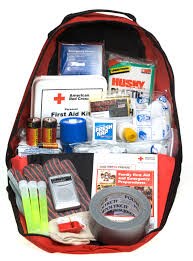
  • Create a kit that has a hand-cranked radio to keep track of the storm, a flashlight with extra batteries, first aid, and extra cash
  • Practice evacuating with your family: have a plan and make sure everyone knows where to go, including if you live in a hurricane evacuation area, and where supplies are kept
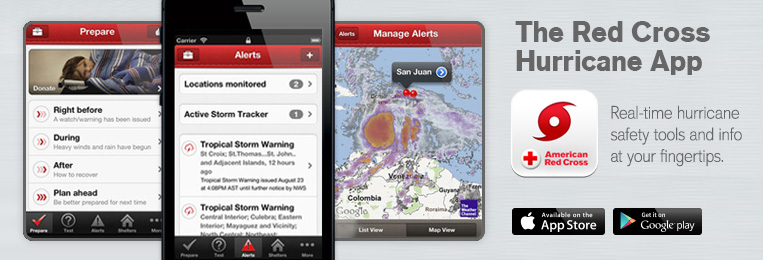
  • Download the Red Cross Emergency App to stay updated on the latest emergency alerts


Sources:
https://www.weather.gov/safety/hurricane
https://weather.com/safety/hurricane/news/hurricanes-safety-during-20120330
www.redcross.org

Friday, June 29, 2018

Hurricane Safety 101

By Hailie Duenkel, Volunteer  

Hurrican Season began on June 1st, meaning the Atlantic Coast will be susceptible to hurricanes producing deadly storms, floods, tornadoes, and high winds. Each year the methods for hurricane safety improve, however it is still imperative to remain current and attentive as the summer months approach. Below are some guidelines from the American Red Cross so you and your loved ones are equipped for this upcoming season of storms.

NOAA/Reuters
Tips to prepare:
          Adrees Latif/Reuters
During a hurricane:
  • Remain indoors and as far away from flood waters as possible. 
    • DO NOT ENTER WATER! (As little as 6 inches of water can float a moving vehicle.) 
  • Do not remain in your vehicle if you are caught unexpectedly in a storm while driving. Quickly exit and get to higher ground. 
  • Replace candles with flashlights – This prevents winds and debris knocking over candles and potentially starting house fires. 
Alvin Baez/Reuters
After a hurricane:
  • Stay in tune with evacuation alerts, local weather forecasts, and friends and family on your wellbeing. 
  • Use only bottled water until you are alerted that the water in your house is not contaminated.
  • Stay clear of any lose power lines and report them immediately to your local power company. 
Erik S. Lesser/EPA
Hurricanes are one of Mother Nature’s deadliest natural disasters. However, the safety precautions you make can greatly diminish their destruction and save lives. For more information on hurricane safety, please go to the Red Cross website hurricane safety page.  

Friday, June 1, 2018

Hurricane Season Safety - Be Red Cross Ready

Written by Carly Flumer, Volunteer

June marks the beginning of Hurricane Season, and it’s important to be Red Cross Ready no matter what coast you live on. 


This means:
  • Assembling an emergency preparedness kit, consisting of water, non-perishable food, a flashlight, as battery-powered or hand-cranked radio, extra batteries, a first aid kit and any medications, sanitation and hygiene items, cell phones with chargers, and personal documents that include important contact information
  • Creating a household evacuation plan that determines how to prepare and respond in case of an emergency, including the various responsibilities of each family member. Don’t forget your pets!
  • Staying up-to-date on your community’s response plan
  • Educating yourself and family members on how to use the Safe and Well website, which includes information about getting immediate assistance and contacting loved ones
  • Downloading the Emergency App for iPhone or Android
 Additionally, right before a hurricane occurs, protect your family, pets, and home by:
  • Finding an NOAA radio station in your area
  • Keeping all personal documents and valuables in a lock-safe box
  • Assemble an emergency kit for your pet that includes sturdy leashes or carriers, food, drinking water, medications, and current photos of them in case they get lost
  • Protecting windows with storm shutters
  • Identifying a place to store any lawn furniture, tools, and trash cans to prevent them from being tossed by extreme winds
  • Clear clogged rain gutters to prevent flooding and pressure on the awnings
  • REMEMBER: Standard homeowners insurance doesn’t cover flooding, but flood insurance does.

Hurricane Season starts on June 1 and runs until November 30. For more information on hurricane safety, visit: http://www.redcross.org/get-help/how-to-prepare-for-emergencies/types-of-emergencies/hurricane 


Thursday, September 28, 2017

Hurricane Shelters on the Move


Rebecca's Story as a Shelter Manager During Hurricane Harvey


Written by: Rosalind SE Carney, volunteer

In 2004, Rebecca Callahan was asked by a friend to help develop a database for the American Red Cross. Little did she know that she would soon put her background in public communications into regular use for the organization. Since 2004, Rebecca has served as a national and regional media spokesperson for the Red Cross in English, French, and Spanish. Rebecca also trained as a Red Cross Shelter Manager.

Rebecca recently traveled to Louisiana to help with Hurricane Harvey relief efforts at a time when people were starting to evacuate Houston. She went to DeQuincy, LA, where the Mayor permitted the use of a recreation center as an emergency shelter. Rebecca and other Red Cross volunteers accommodated 20 evacuees, providing cots to sleep in, comfort kits, and meals. The next day, the rising flood plains meant that the DeQuincy shelter was itself at risk for flooding. The shelter was closed, and the displaced residents were transported to the next shelter in Lake Charles, LA.

As more people were evacuating their homes in Texas and moving eastward, the Burton Coliseum in Lake Charles accommodated over 300 people on the night it opened as a shelter. However, after reaching the maximal occupancy of 342 people, it soon became clear that an even larger shelter was needed. The Coliseum shelter residents were transported to a mega-shelter in Alexandria, LA. Red Cross representatives and local volunteers converted the Coliseum into a distribution center to help more evacuees who arrived to pick up comfort kits, blankets, meals, and water on their way to the Alexandria mega-shelter.


In total, Rebecca spent 12 days assisting hurricane evacuees on this deployment. When she was not serving as a Shelter Manager, she spent much of her time interacting with shelter residents. During such stressful situations, Rebecca has particular concern for young children who can become very traumatized. Children at this age, she says, “know just enough to not know enough” and she recognizes their feelings of lack of control and helplessness. Rebecca comforts children by informing them what will happen next and assuring them that the immediate needs of their family will be taken care of. She observes that once children are given such reassurance, they become more calm and resilient and often take on an adult-like role to support their parents.

As Rebecca’s recent experience involved several transient shelters, it was important to keep members of each family together at all times. When an elderly member of one evacuated family was hospitalized, Rebecca ensured that they were not moved on until the whole family was reunited. Rebecca also assisted people who came to the shelters to locate family members.

Rebecca took the Shelter Management Course at the Red Cross because she realized how often shelters are needed. Recently in 2016, she provided assistance to families displaced by a large gas explosion in Silver Spring, MD. 


Originally, Rebecca wanted to be a nurse. She finds that being a Red Cross volunteer enables her to provide empathy to others, without being in the healthcare field itself. Of her time as a volunteer, she says, “All it takes is one experience–such as the interaction with young children affected by Hurricane Harvey–to serve the “addiction” and keep you coming back.”

Learn more about Red Cross Hurricane Harvey Disaster Relief. 


Tuesday, July 12, 2016

Hurricane Season is Here! Are You Ready?

Every year as June 1st rolls around, all we hear on the radio and on television is “are you and your home ready for hurricane season?” And that’s just the question to ask! A hurricane is a strong storm that can cause life and property threatening hazards like flooding, storm surge, high winds and tornadoes. Atlantic Hurricane season runs through November 30th, 2016.


Here are some tips and tricks to have a well-prepared hurricane season:


1. Know the Difference: Hurricane Watch vs. Hurricane Warning:

a)     Hurricane Watch: Hurricane conditions are a threat within 48 hours

b)    Hurricane Warning: Hurricane conditions are expected within 36 hours


2. Listen to the radio for critical information from the National Weather Service (NWS)

3. Check your disaster supplies. Replace or restock as needed. Recommended supplies:

a)     3-day supply of water

b)    3-day supply of non-perishable food

c)     Flashlight

d)    Radio (NOAA Weather Radio, if possible)

e)     Extra batteries

f)     First aid kit

g)     Medications, glasses, contact lenses, etc.

h)    Copies of personal documents

i)      Cellphones and chargers

j)      Cash

k)    Emergency blanket

l)      Extra set of car and home keys


4.  Bring in anything that can be picked up by the wind (bicycles, lawn furniture)

5.  Close your windows, doors and hurricane shutters.

6.  Turn your refrigerator and freezer to the coldest setting. Keep them closed as much as possible so that food will last longer if the power goes out

7.  Turn off propane tank

8.  Unplug small appliances

9.  Fill your car’s gas tank

10.  Have a hurricane evacuation plan with your family. This will cause less confusion when the time comes to evacuate, if instructed to do so by authorities
11.  Obey evacuation orders. Avoid flooded roads and washed out bridges

With these tips and tricks, you, your family, and your home can be prepared for Hurricane Season.


For more information, visit www.redcross.org/prepare/disaster/hurricane to learn about hurricane preparedness and how to respond during and after. 

Want to know when any severe weather is headed your way? Download the Red Cross Emergency App, available on the App Store and Google Play!

Tuesday, August 25, 2015

Typhoon Relief in Saipan - Up Close and Personal

Written by: Reed Mszar, intern

On August 2, Typhoon Soudelor made landfall in the United States territory of Saipan, located approximately 120 miles north of its sister island, Guam. No more than a week and a half later, the island of around 50,000 people faced yet another serious disaster - Tropical Storm Goni. These two dreadful storms, not only left a great deal of damage and destruction to the infrastructure on the island, but they also took an emotional toll on all of its residents. The following is a summarized account from Dawn Tritch, an American Red Cross volunteer who is currently at the front lines helping those in desperate need.


“At the American Red Cross, I volunteer for eight hours each day, from about noon to 8 p.m. or whenever the day finally ends. As one of eight mental health workers, I am responsible for the mental health and sanity of about 30 case managers, the staff that support[s] them, and a call center of 20 workers at another location 20 minutes away. I am also responsible for answering people's questions and making appointments for the case managers, and basic crowd management - diffusing angry people in line and trying to sort their squabbles out before a riot breaks out. We have had about 2,000 people showing up in lines each day, in fierce heat, with little to no shade, water, or food (the tempers are ugly). It takes very little to spark arguments and fights. The police have been assisting us fortunately or it [the crowds] would be uncontrollable, nevertheless, sometimes a mental-health approach is more calming that the brute-force of the police. So that is my role, working the line, sorting things out, getting medical help when people pass out, and listening to burn-out with the case workers (30 to 2,000 is just impossible),.

We have been told that it is a minimum of six months before we will get power (because all the island generators were destroyed, as well as most of the lines). We were able to locate a small generator, one that would have been about $450 in the states, but was over $2,000 here, so we have a bit of power each evening, but it is not much and it is expensive to run as gas is over $5 per gallon. In addition, because there is no power, there is also little to no water except when it rains. Since households are limited to five gallons of drinking water and ten gallons of non-drinking water for everything else per day (laundry, bathing, sanitation, cooking, cleaning, etc), one must drive to one of the military posts to get it - a real challenge for the many who don't have cars or other means of transportation.

Food is coming to the island, but is still limited and prices continue to rise. Internet and cell reception are very sporadic and often non-existent. There is no TV except the local station, but that is also sporadic. Gas is limited to ten gallons per household per day, and lines can be exceedingly (hours) long. A reliable gas source is much needed here. Also, ice is quite the luxury as there are only 1600 five-pound bags available on the island each day, all for 50,000 residents and businesses (which means there is usually not enough for the Red Cross). It is for this reason that each night I collect all the hand-sized towels, take them home and wash them. Then, I roll them up and put them in the freezer, still wet, so they freeze while our generator is running.  I later take them to the Red Cross and hand them out to the volunteers to stay cool. It does seem to help since there is little to no air conditioning or air circulation in the bunker [where] we are working out of. Laundry is a challenge for our little generator. So much of our clothes were muddy either from the mildew as a result of the standing water from the storm or the lack of necessary air-circulation units. Last, but not least, the mosquitos are vicious and there is no bug spray to be found anywhere on the island.”


We at the American Red Cross in the National Capital Region would like to thank Dawn and the numerous other Red Cross volunteers in Saipan and around the world for the selfless work you do helping to alleviate human suffering, even in the most dangerous environments. You all truly embody the mission of the Red Cross and we could not be more proud of all your hard work providing relief to thousands of people. If you too would like to make a difference and support our efforts, you can help by donating to Red Cross Disaster Relief by visiting redcross.org, calling 1-800-RED CROSS or texting the word REDCROSS to 90999 to make a $10 donation. Donations to Disaster Relief will be used to prepare for, respond to, and help people recover from disasters big and small.

Monday, August 24, 2015

Be Red Cross Ready - Hurricane and Tropical Storm Safety Guide

Written by: Reed Mszar, intern

Hurricanes are strong storms that cause life- and property- threatening hazards such as flooding, storm surge, high winds, and tornadoes. Preparation is the best protection against the dangers of a hurricane. Tropical Storm Danny is making its way through the Eastern Atlantic Basin, and with the potential for more storms to come this summer, here are a few key points that could help you prepare for the worst and clear up some common misconceptions. For more information on Tropical Storm Danny and its current path, follow the attached link: http://www.weather.com/storms/hurricane/news/hurricane-danny-tropical-storm-danny-atlantic-2015. We hope this information helps and that you have a safe remainder of your summer.


Q: What is the difference between a ‘Hurricane Watch’ and a ‘Hurricane Warning’?

A: Hurricane Watch: When hurricane conditions are a threat within 48 hours. One should review emergency plans and keep informed and be ready to act if a warning is issued.
Hurricane Warning: When hurricane conditions are expected within 36 hours. One should complete storm preparations and leave area if directed to do so by authorities.


Q: What should I do to prepare for a hurricane or tropical storm?

A: To best prepare for a hurricane or tropical storm, one should do the following:
-Listen to a NOAA Weather Radio for information from the National Weather Service.
-Check your disaster supplies and restock as needed.
-Bring in anything that can be picked up by the wind (bicycles, lawn furniture, etc.).
-Close windows and doors. If you do not have hurricane shutters, close and board up all windows and doors with plywood.
-Turn refrigerator and freezer to the coldest setting in case of power outage.
-Turn off propane tanks and unplug small appliances.
-Fill your car’s gas tank.
-Talk with members of your household and create/practice an evacuation plan.
-Learn about your community’s hurricane response plan.


Q: What supplies should I have on hand to prepare for a hurricane?

A: To ensure that you are prepared for the worst, the following items should be on hand:
-Water - at least a 3-day supply; one gallon per person per day
-Food - at least a 3-day supply of non-perishable, easy-to-prepare food
-Flashlight
-Battery-powered or hand-crank radio (NOAA Weather Radio, if possible)
-Extra batteries
-First aid kit
-Medications (7-day supply) and medical items (cane, contact lenses, etc.)
-Multi-purpose tools
-Personal hygiene items
-Copies of personal documents (medication list, passports, birth certificates, etc.)
-Cell phones with chargers
-Extra cash
-Emergency blanket
-Map(s) of the area
-Baby/pet supplies if applicable
-Extra set of car keys and house keys
-Extra clothing, hats, and sturdy shoes
-Rain gear
-Insect repellant and sunscreen


Q: What should I do following a hurricane?

A: The following is a list of steps one should take in order to safely return home following a hurricane and prevent future dangerous situations:
-Continue listening to a NOAA Weather Radio or the local news for updates.
-Stay alert for extended rainfall and subsequent flooding.
-If you evacuated, return home only when officials say it is safe.
-Keep away from loose or dangling power lines and report them immediately to the power company.
-Stay out of any building that has water around it.
-Inspect your home for damage. Take pictures of damage for insurance purposes.
-Use flashlights in the dark. Do NOT use candles.
-Avoid drinking or preparing food with tap water until you are positive it’s not contaminated.
-Check refrigerated food for spoilage.
-Watch animals closely and keep them under your direct control.
-Use the telephone only for emergency calls.


Q: Why should I download the free Red Cross hurricane app to my mobile device?

A: The app sends location-based weather alerts from the National Oceanic and Atmospheric Administration. It also includes tips on how to assemble an emergency kit for your family in the event of a power outage or evacuation, an “I’m Safe” button to let loved ones know you are okay, and a real-time map to help you find the location of Red Cross shelters should you need to leave your home. The hurricane app also includes a toolkit with a flashlight, strobe light, and alarm. A Spanish language toggle switch is available. Download the app by visiting redcross.org/apps.


About the American Red Cross:

The American Red Cross shelters, feeds and provides emotional support to victims of disasters; supplies about 40 percent of the nation's blood; teaches skills that save lives; provides international humanitarian aid; and supports military members and their families. The Red Cross is a not-for-profit organization that depends on volunteers and the generosity of the American public to perform its mission. For more information, please visit redcross.org or visit us on Twitter at @RedCross.


Friday, June 20, 2014

June in a Nutshell

Keeping an Eye on the Sky During Hurricane Season

By Squiggy the Squirrel


Are you ready for Hanna, Kyle, Omar, and Sally?

No, these aren't names of future dinner guests. They're the names of potential 2014 hurricanes - powerful and dangerous storms that may impact you and your community in the next few months.

June 1st marked the official start of the Atlantic hurricane season, so I thought this was the perfect time to talk about hurricane preparedness. I added this topic to my summer reading list and here's what I want to share. 


During the summer and fall months, storms can form in the Atlantic and Eastern Pacific oceans. Once winds reach 74 miles per hour, a storm is officially classified as a hurricane. Hurricanes are then further categorized by their intensity, ranging from Category 1 to the most intense, Category 5. The latter have winds of 156 miles per hour or greater! 


Make sure to monitor the news and internet this summer if you hear a hurricane's headed your way. These storms move fast, so you'll want to know in advance what steps you'll need to take. There are two key threats that you should be aware of.

If there's a hurricane watch:
  • This means conditions are a threat within 48 hours
  • It's a good time to review your hurricane safety checklist with your family
  • Get ready to act if a warning is issued

If there's a hurricane warning:
  • This means conditions are expected within 36 hours
  • Complete your storm preparedness
  • Leave the area if directed to do so by authorities

The Red Cross has many tips and important information on what to do before, during, and after a hurricane. But, a great way to prepare now is to download the Red Cross Hurricane App. It has many helpful features, including:
  • "I'm safe" messaging to broadcast reassurance to family and friends via social media that you're safe
  • Location-based NOAA weather alerts
  • Locations of open Red Cross shelters
  • Checklists to create a family emergency plan
  • Instant access to critical action steps without mobile connectivity
  • A toolkit with flashlight, strobe light, and audible alarm
  • Interactive quizzes


Learn more about the app and download it by texting "GETCANE" to 90999 or searching for "Red Cross Hurricane" in the Apple Store or Google Play. 

The Red Cross has offered life saving services to many people during and after hurricanes. See how Red Cross provided assistance after Hurricane Sandy.


Share this post with family and friends so they're prepared, too!

xo,
Squiggy